
Silver Firs Directory Sources
No single shelf is labeled as a complete Silver Firs city directory collection. Silver Firs developed as an unincorporated part of Snohomish County, and older works often organize the area under Everett, nearby communities, rural routes, or broader county coverage. The sound approach is to treat each collection as a dated window. Check its place coverage before deciding that an absent name means anything.
| Historical source | Documented span | Research home | How to reach it |
|---|---|---|---|
| Polk name and address directories | Address listings documented from 1932; exact Silver Firs run not located | Historic Everett and Everett Northwest Room | Ask staff about the name, address, year, and regional volume |
| Everett and vicinity criss-cross books | 1980 through 1995, except 1983 and 1984 | Library of Congress collection guide | Use the guide to identify the volume, then confirm item access |
| U.S. City and Business Directories | About 1749 through 1990 nationally; local coverage varies | FamilySearch | Search the index; a free account or image restriction may apply |
| Obituaries and death notices | Collection-specific | Sno-Isle Libraries HeritageHub | Library access rules apply |
| Maps, photos, house files, and yearbooks | Collection-specific | Everett Northwest Room and Historic Everett | Search online holdings and ask staff a focused question |
The Everett title on a volume does not prove that every Silver Firs address appears. Some books range beyond Everett, while others stay close to the city. Record the volume title, publisher, year, page, and place wording with every hit. That small citation makes it possible to distinguish a real absence from a volume that never covered the address.
Silver Firs Directory Geography
Historical geography changes how a city directory search works here. Census material once used the combined label Seattle Hill-Silver Firs. Later census products tabulated Silver Firs as its own census designated place, or CDP. A CDP is a statistical area, not an incorporated city with a clerk and archive. Postal labels can add Everett, Bothell, or Snohomish even when county records place the parcel in unincorporated Snohomish County.
Search all names that fit the date. For an old address, keep the directory's printed place name instead of replacing it with a modern label. Pair that entry with a current parcel and jurisdiction check only after the historical wording is saved. The contrast between postal, census, and county geography is not noise. It often explains why a Silver Firs household is missing from a name index limited to one place.
Silver Firs Polk Directories
Historic Everett's research resources identify Polk directories, pre-telephone white pages, resident books, maps, yearbooks, and house files. Name listings are the first route. Address-by-address listings are documented in Everett material beginning in 1932, which lets a researcher reverse the task when a street number is known.
Ask whether the right volume covers the broader east Everett or Seattle Hill area. Supply several forms of the address, including the house number, full street name, subdivision or sector, and approximate year. A rural route or older publisher abbreviation may not match a modern Silver Firs label. Library staff can also point to an address file or map that a general catalog search misses.
A Polk entry is dated residence evidence. It is not a deed. If the same name appears beside the same address in several annual volumes, the sequence supports a residence interval, but county deeds and assessor records must answer the separate ownership question.
Read Silver Firs Directory Entries
Copy the entire line, not just the name. Old city directories compress facts into small marks, and the key printed at the front of the volume controls their meaning. The research notes confirm that h can mark a home and b a boarder. An occupation or spouse can separate two people with the same name, while the address supplies the link to parcel and deed research.
| Printed name | Keep initials, middle names, spelling, and the exact order shown. |
|---|---|
| Street line | Save the house number, street form, route, place label, and any cross-reference. |
| Household detail | A spouse, parent, child, or boarder note may distinguish one family from another. |
| Work text | Occupation or business wording can help match another dated source. |
| Source citation | Record the title, year, publisher, page, and image or shelf reference. |
Do not invent an owner or renter symbol when the volume key has not been checked. Different publishers used different shorthand. Photograph or transcribe the key before interpreting the entry.
- Criss-cross directory
- A reverse book arranged by street and house number rather than by surname.
- Householder index
- A list organized around the person named for a household, with coverage that varies by publisher.
- Abbreviation key
- The publisher's legend explaining short forms used in that volume.
Silver Firs Reverse Directories
The Library of Congress criss-cross guide documents an Everett and vicinity run from 1980 through 1995. The sequence lacks 1983 and 1984. Reverse books are especially helpful when the address is known but the household name is not. Look up the street, find the house number, and copy the line exactly as printed.
| 1980-1982 | Documented Everett and vicinity reverse-directory years |
|---|---|
| 1983-1984 | Missing from the documented run; do not interpolate a household |
| 1985-1995 | Documented continuation of the criss-cross sequence |
Use the 1982 and 1985 volumes as bookends around the gap. A deed recording number, historic assessor card, newspaper notice, school yearbook, or obituary may show what changed. If both bookends list the same name, that is still not proof that the household remained there throughout the missing years.
Search Silver Firs Directories Online
FamilySearch's U.S. City and Business Directories offers a broad index with first, middle, and last names, residence place and year, family-member fields, events, and keywords. Begin with a surname and given name. Then add a place or date only when the result list is too wide. A street name or number in the keyword field can expose an entry missed by a strict place label.
Index text can contain optical character recognition errors. A page image, when available, controls over the typed snippet. Save the source title and page. Access may require a free account, and some images may have viewing rules that differ from the index. If the image is blocked, note the index result and seek the same volume through a library rather than treating the snippet as a full record.
The Sno-Isle genealogy collection adds HeritageHub obituaries, Ancestry Library Edition, historical photographs, and staff research routes. Ancestry access is in-library. That distinction matters in an access plan: online from home, online at a library terminal, and staff-assisted research are three different channels.
The library genealogy page shows the range of tools that can extend a name search beyond a city directory.
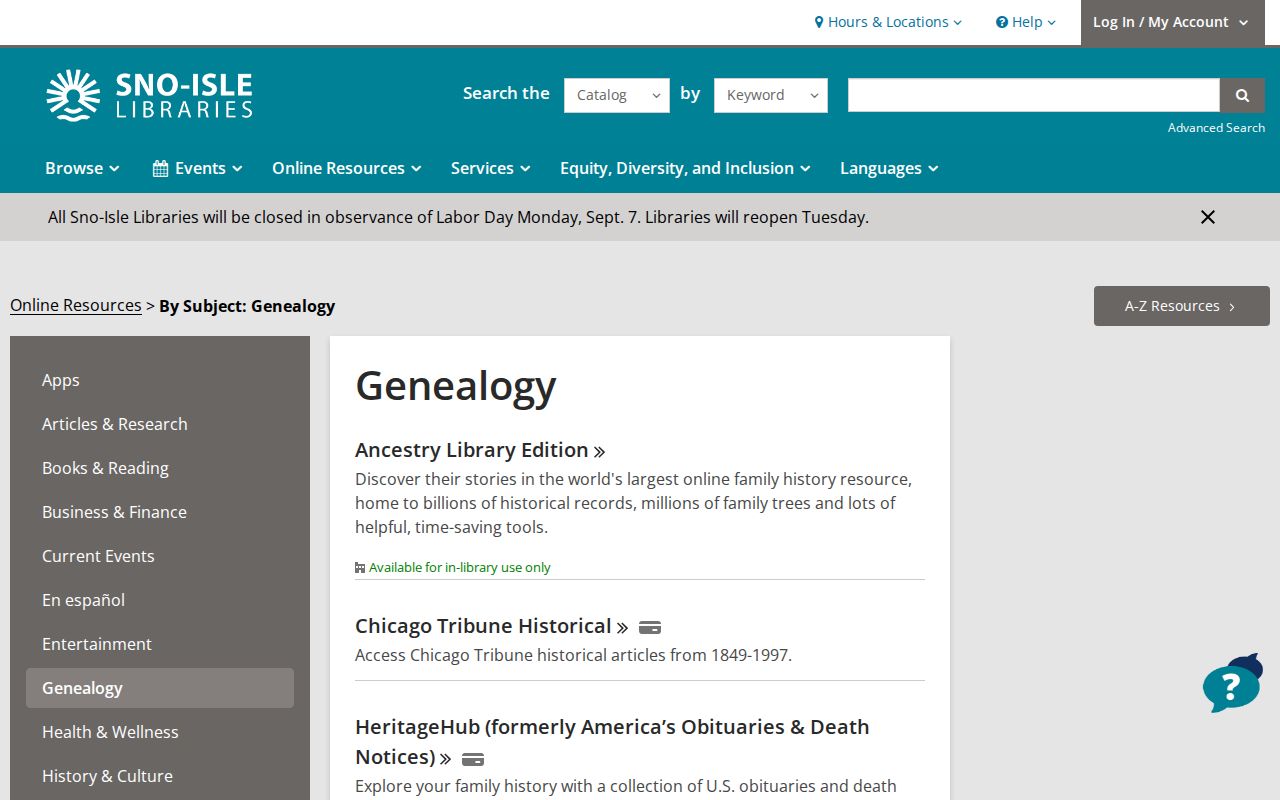
Use those resources to corroborate a dated directory entry, especially when a household moved or the printed sequence has a gap.
Silver Firs Directory Archives
The Snohomish Historical Society archives hold photographs, newspapers, title abstracts, maps, and material about schools, businesses, and organizations. Research is appointment-based. Send a precise request with the surname, street address, subdivision or sector, old and new parcel numbers if known, and a narrow date range.
The archive's public page gives a useful view of the appointment and collection route.
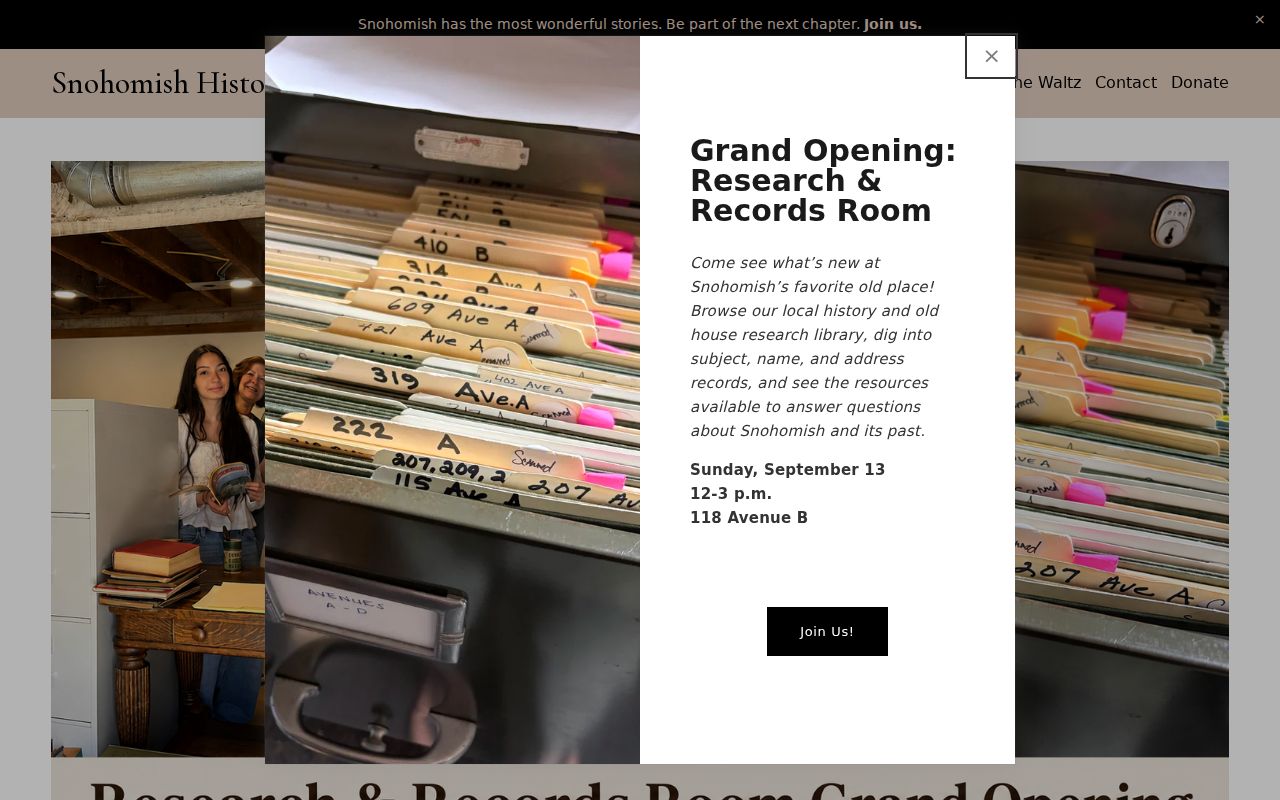
Those identifiers help an archivist check a title abstract, clipping, map, or subject file that may never appear in a web search.
Everett Public Library's Northwest Room and Historic Everett are separate regional sources. They offer maps, photos, directories, resident books, yearbooks, and house files. Their Everett focus means a Silver Firs result is possible, not guaranteed.
Use the Washington State Archives as the next fallback for government and local collections.
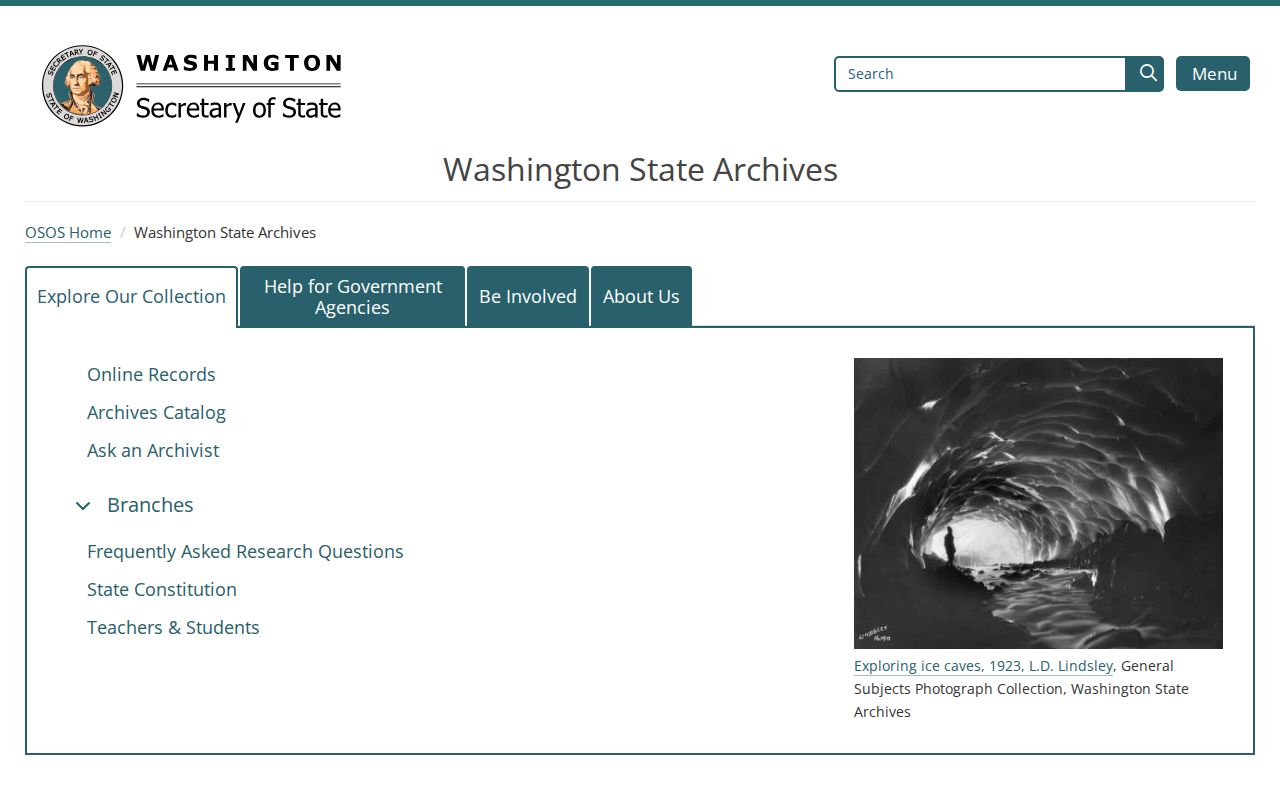
The state repository can guide a search across transferred public records, while a county request remains the right route for a permit, plat, or active agency file.
Trace Silver Firs Directory Families
City directories work best as a sequence. One entry supplies a candidate. Several dated sources show change. Pair the printed trail with census years, obituary notices, property records, and archive material, while keeping each record's role clear.
- Search the name in a likely regional volume and save the full citation, address, and all household notes.
- Move forward and backward by year. Note spelling changes, new addresses, a missing spouse, or a changed occupation.
- Reverse the address in the criss-cross run when the years overlap. Keep the documented 1983-1984 gap visible.
- Pair eligible historic years with census records. Census publication follows a 72-year rule, so recent households will not appear.
- Test the timeline with a deed, assessor field book, obituary, yearbook, photo, or archive item.
Disappearance from a Silver Firs city directory can mean a move, death, missed publication, changed place label, or simply noncoverage. It does not answer the question by itself. If the search shifts to present-day records for one named person, use the Silver Firs resident lookup and preserve the historical source as a dated lead.
Verify Silver Firs Directory Gaps
An old street address may not survive unchanged in a modern index. Snohomish County's historic assessor search covers scanned field books from 1970 through 1999 and can connect old and new parcel numbers after the county's 2000 parcel-number change. The recorded-document index is strongest online from July 1976 onward; earlier records require the Recording Division's microfilm and in-person route.
Keep separate labels for resident, owner, taxpayer, mailing recipient, grantor, and grantee. A city directory may support a dated resident link. A deed supports a recorded property interest. An assessor account shows the roll at its own date. Together they can strengthen a family or house-history timeline, but one source should never be made to say what another source alone can prove.